Marketing and demand Positioning, campaigns and the pipeline that comes out of them, at Digitech and SQDM.
Partnerships across the Americas Certified Latin American engineering, data and AI teams inside United States companies.
Enterprise accounts Integration and iPaaS on MuleSoft and Boomi, across Mexico and Latin America.
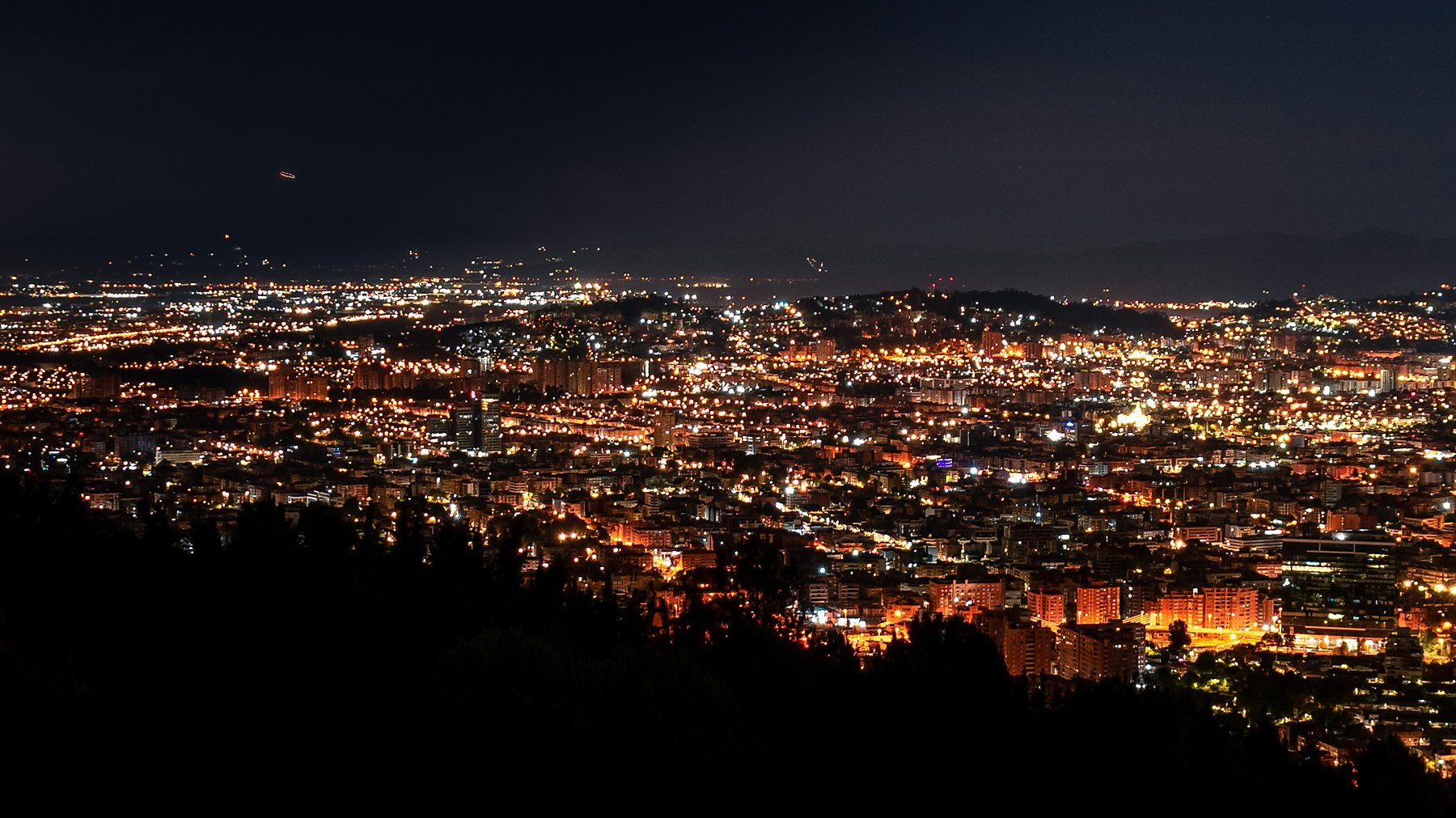
The eastern hills above Bogotá with fog rolling in
Bogotá2018 — 2023
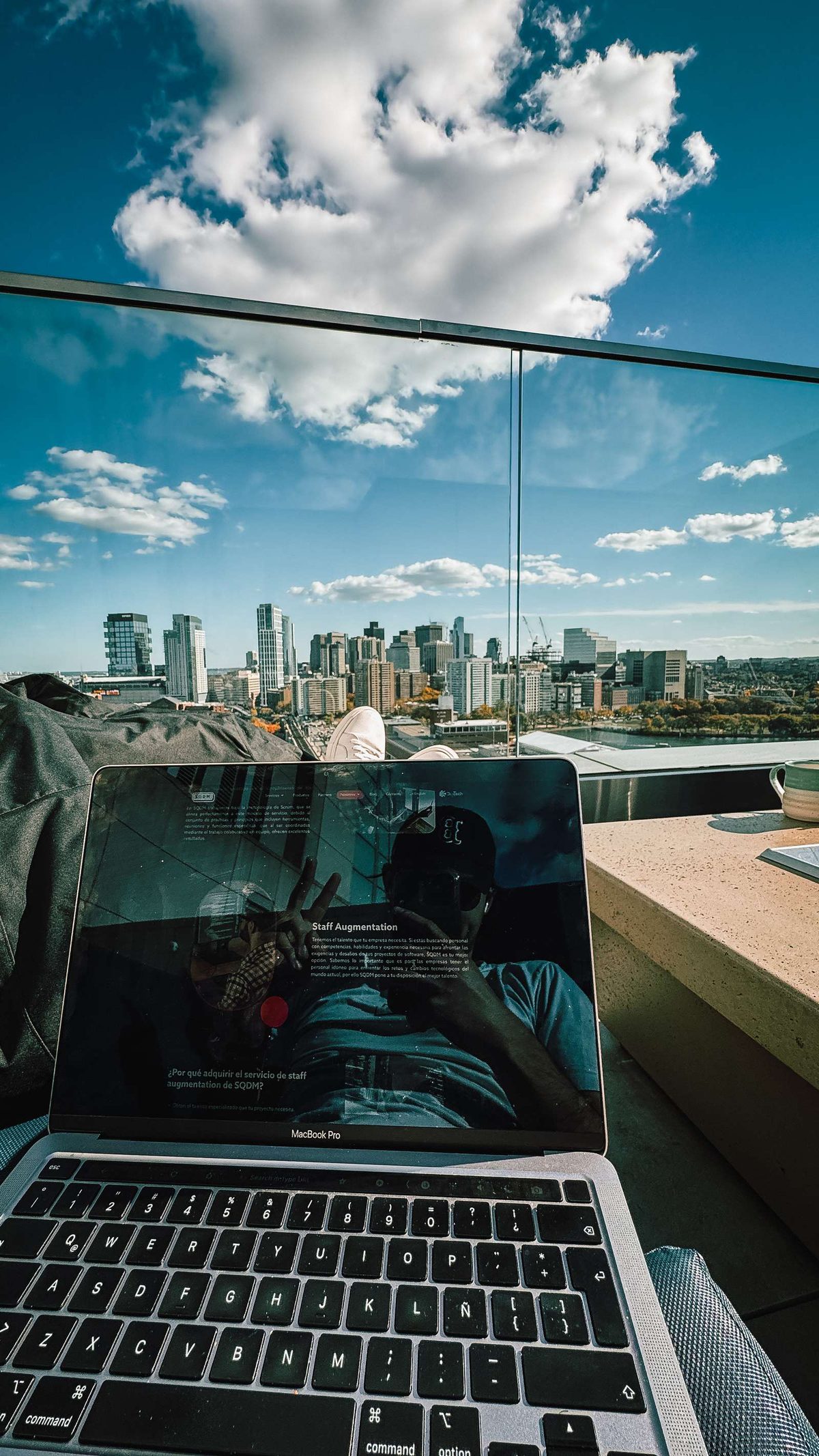
The Boston skyline across the Charles River at dusk
Boston2023 — 2025
Columbus Avenue and the Transamerica Pyramid, San Francisco
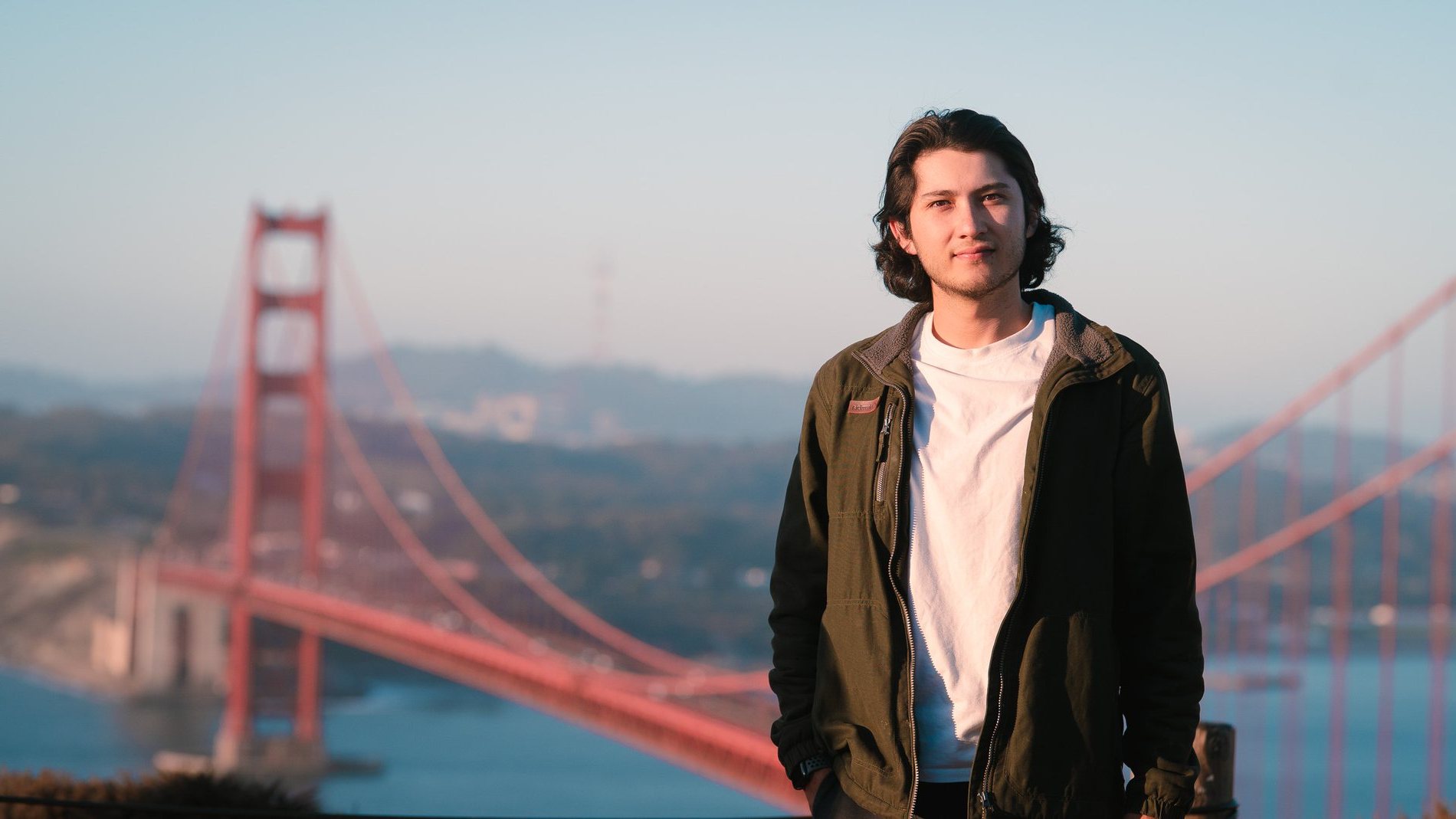
San Francisco2025 —

The work

Enterprise technology does not win on the demo. It wins on the case somebody built around it.

Companies buy eleven systems over fifteen years and then cannot answer a simple question without three people exporting spreadsheets. My job is to make the case for fixing that, find the people who can, and keep both sides in the room long enough for it to happen.

Marketing

Positioning, messaging and campaigns for a technical product, written for the person who actually has the problem rather than the person who signs.

Partnerships

The half of the job I care most about. Relationships that put Latin American engineering, data and AI teams inside United States companies, in the same time zone.

Enterprise accounts

Integration and iPaaS on MuleSoft and Boomi, across Mexico and Latin America. Renewals, expansion, and the architecture conversation that comes before either one.

AI and automation

This one was never in the job description. Research, account intelligence, outbound and reporting, rebuilt with Claude so the commercial function runs like a system, not a calendar.

Juan David Galvis
Who is writing

Three cities, and the argument that runs through them.

I am Colombian, I work in San Francisco, and the cities on this page are not a travel list. Each one tested what the last one taught me.

Bogotá taught me to start before anybody gave me permission. Boston taught me that a strategy which only works in one culture is not a strategy. San Francisco is where I found out what happens when the tools change faster than the job does.

The short version

Bogotá, then Boston, then here.

San Francisco2025 to now

I moved for the work and landed in the middle of the loudest technology cycle in a generation, and from here you watch it at close range. A model that was the state of the art in March is a footnote by June. The whole industry reorganises around it in less time than it takes most companies to get the meeting about it on a calendar.

The interesting part of my week is the distance between that and everyone else. Enterprise buyers, SaaS companies and the Latin American businesses I work with do not run at that speed, and they should not have to. But somebody has to stand in the middle and translate, and I decided the honest way to do it was to point the thing at my own job first. So I rebuilt how I run marketing and outbound before anyone asked me to.

San Francisco laid out from the hills at first light
Boston2023 to 2025

A master's at Hult with classmates from more than a hundred and fifty countries, which sounds like a brochure line until you have to sell an idea to a room where nobody shares your assumptions. That is what Boston actually taught me: a strategy that only works in one culture is not a strategy. I specialized in business analytics because I wanted the other half, the part that tells you whether the story is true.

Brownstones in Back Bay, Boston, at dusk
Bogotá2020 to 2023

Covid closed the city the year I was supposed to be starting out. I had a camera, and a belt company called Macondo Belts became the first contract I ever negotiated. I have negotiated a great many since — renewals, expansions, agreements that run for years — and that first one taught me what every one of them has confirmed since: the number is almost never what the conversation is actually about.

A friend from school and I turned it into a studio, and product shots became strategy for more than forty brands in industries that had nothing to do with each other. Then I moved to the other side of the table, at Comerssia and Iridian, where the question stopped being how the picture looks and started being whether it sells. The argument for why I switched is in the essay.

A commercial shoot on a street in Bogotá
Bogotá2018 to 2020

I finished school and read business administration at Universidad de los Andes. Most of my class was preparing for the interview: the bank, the consulting firm, the graduate programme. I was more interested in what you learn by starting something and finding out, so that is what I did, while I was still sitting exams.

Bogotá is a good city to learn that in. Eight million people, an economy that improvises for a living, and nobody standing at a door deciding whether to let you through it.

Highland plain outside Bogotá

Writing

Things I have argued in public.

Essay · 2024 · 6 min

Beautiful photos don't sell.

Companies kept hiring me to photograph their products and kept being disappointed by the result. The photograph was never the problem. This is the argument that moved me from behind the camera to the commercial side of the table.

Read the essay
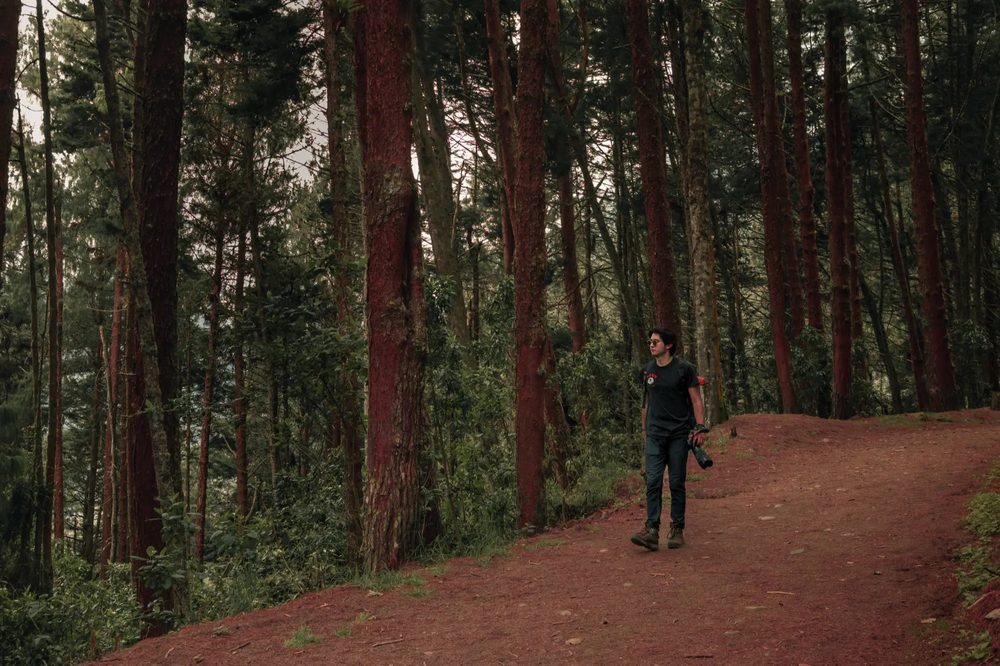
On a trail with a camera

More coming on integration, nearshore teams, and what actually breaks when you automate a commercial function.

Photography

I stopped shooting for companies. I never stopped shooting. Cities are still the thing I point the camera at, and the ones I have lived in are only part of it.

David Galph
The Manhattan Bridge from Dumbo, New York
Hanover Street in the North End, Boston
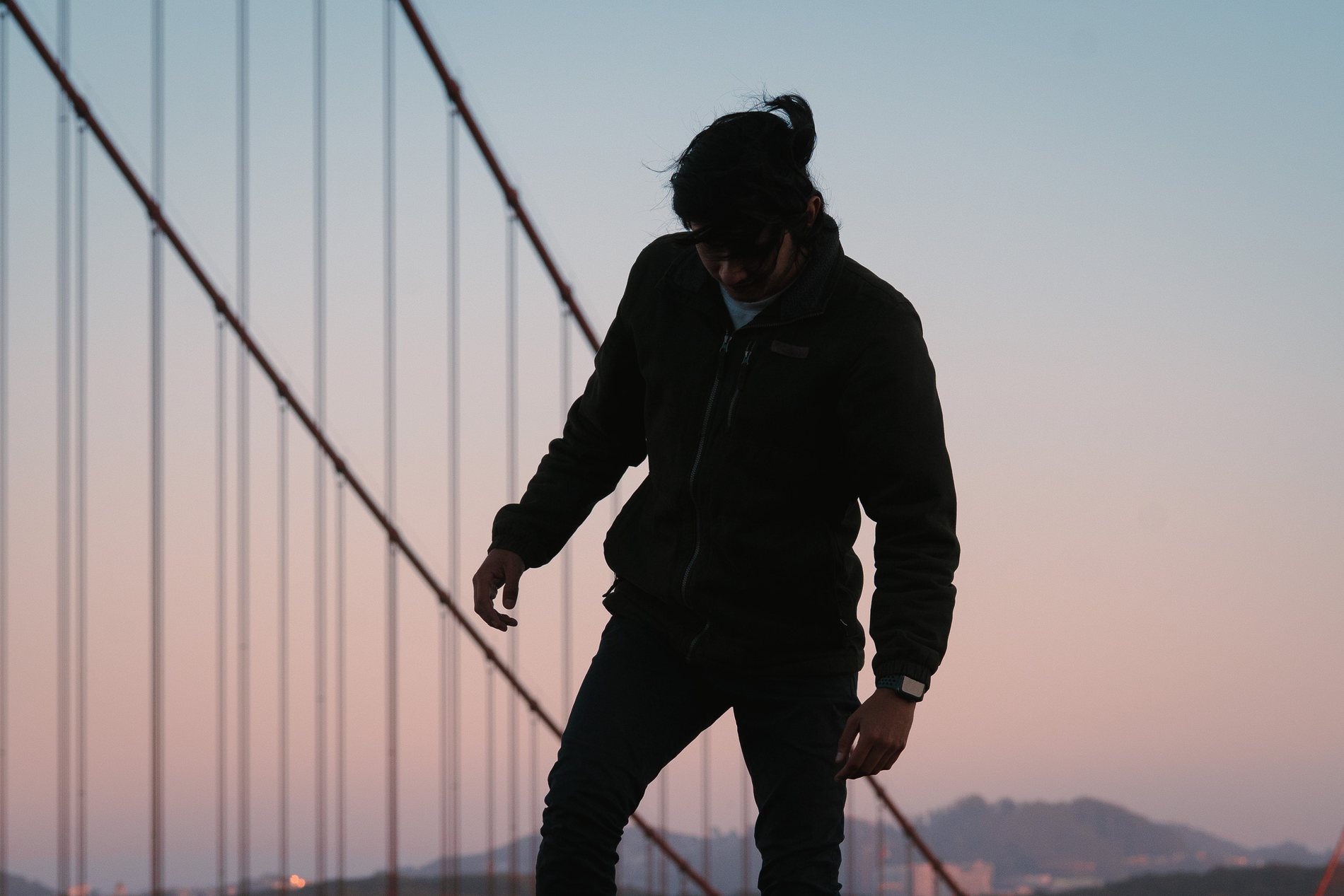
The Golden Gate from Baker Beach at golden hour

Moving image

Before I moved to the commercial side of the table I was also shooting motion, and most of what I made was commercials. It is not what I do now. It is where I learned how a brand arrives at what it wants to say, which is usually in a room, out loud, with somebody's budget on the line.

  1. Film one Bogotá · year
  2. Film two Bogotá · year
  3. Film three Bogotá · year

Three cuts going up here shortly.

Colophon

This page was designed and written in Claude Code, in one sitting, on top of a personal knowledge base I have been keeping for months — the same setup I use for research, account intelligence and outbound in my day job. The agent read the archive, picked the photographs out of two hundred and twelve of them, and did the typing. What was worth saying, and what had to stay out, is still the part that takes a person.

If you already work this way, I would rather hear how you do it than explain how I do. And if you are in San Francisco, that is a conversation better had in person than in an inbox. david@davidgalvis.com.